
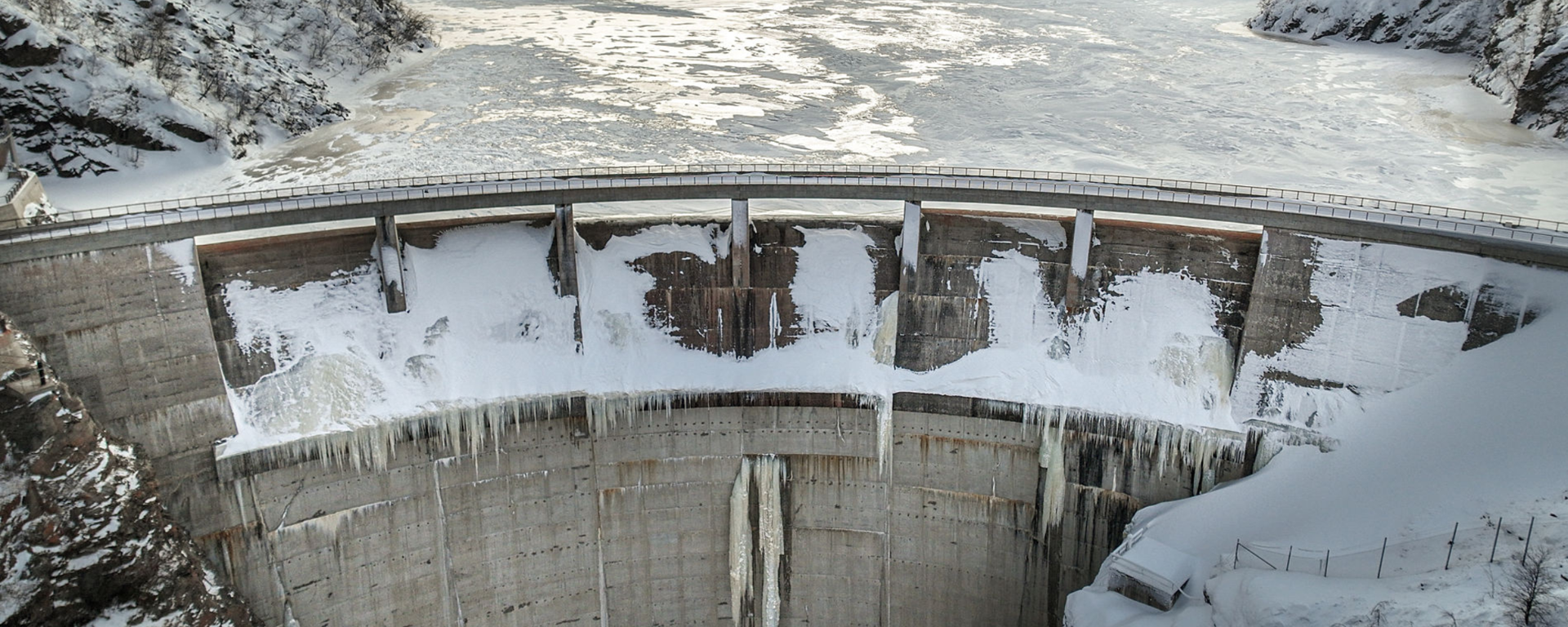
The Green Transition Scenarios 2026
– Statkraft’s flagship energy report on the energy transition
Sign up and get exclusive early access to the Green Transition Scenarios 2026 report
The energy transition is entering its electric age. Now the question is whether power systems and policies can ensure energy security and competitiveness fast enough. So, who moves fast, who falls behind, and why?
Discover it in the 11th edition of Statkraft's flagship report.
Sign up to receive the Green Transition Scenarios 2026 report 24 hours before its public release and gain early access to expert insights, scenario analysis and forecasts on the future of energy, electrification and decarbonisation.
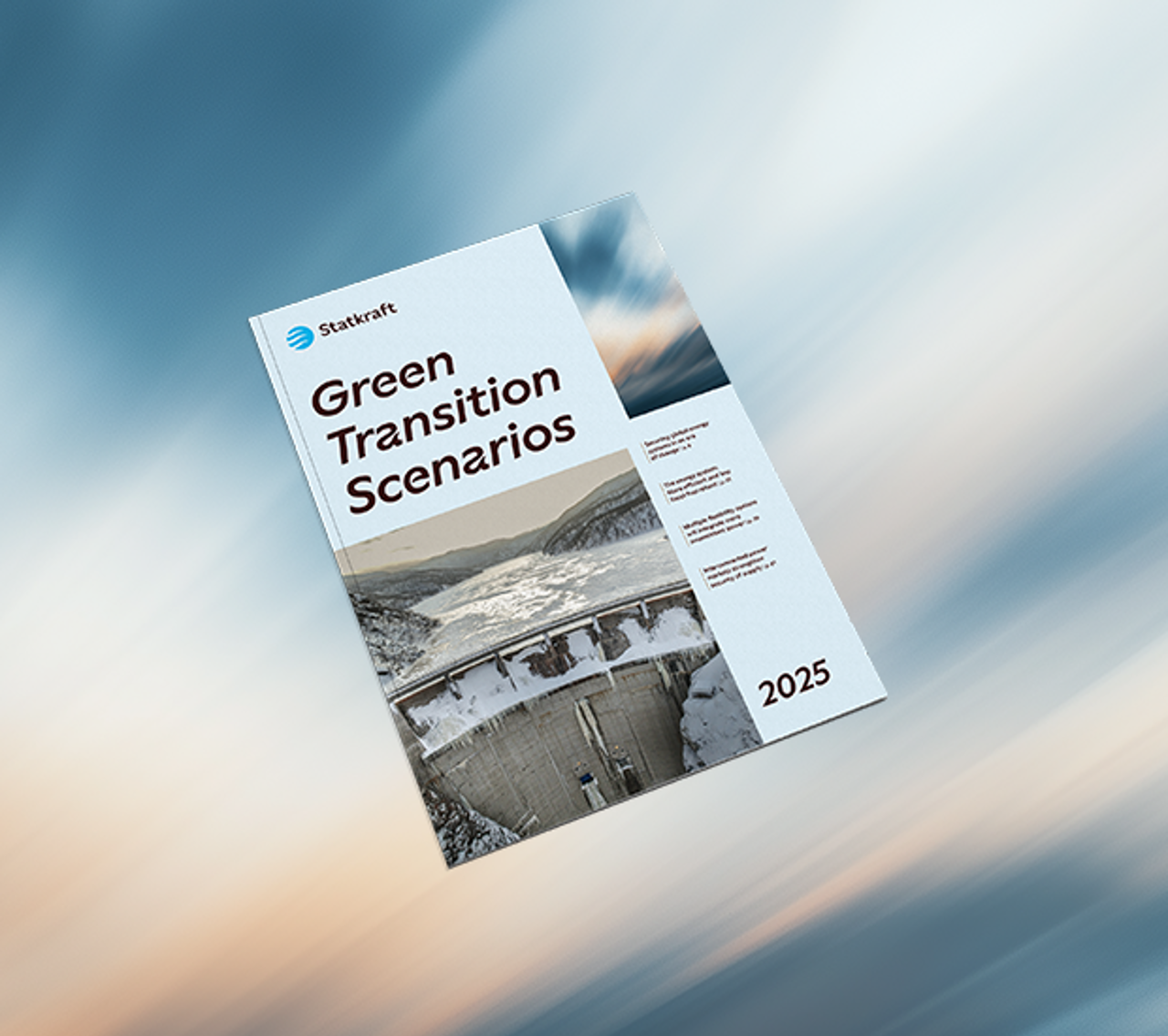
About the energy report
The Green Transition Scenarios energy report provides forecasts for the development of the energy transition from 2026 to 2050 across three scenarios, with a focus on global, European, and Norwegian perspectives. The report is published annually and is based on insights and analyses from Statkraft experts who work with energy infrastructure, analysis, systems, and trading in more than 20 countries.
More about the report’s three scenarios

Green scenario
The Green Transition Scenario is the most optimistic yet plausible scenario. It envisions a world where technological innovation, market forces, and proactive policymaking converge to accelerate the energy transition efficiently.

Delayed
In the Delayed Transition Scenario, geopolitical tensions persist, but trade remains relatively stable through new alliances.

Unrest scenario
The Unrest Scenario represents a more severe delay. Europe is increasingly isolated. The world moves away from a Western-led rules-based order. Hostile geopolitical threats such as cyberattacks, territorial disputes, and foreign interference dominate the agenda.
Executive summary of key findings
The strong and sustained growth of onshore wind, solar PV and electric cars across all three scenarios. reflects their maturity and increasing cost-effectiveness. These technologies remain central to the energy transition.
Cost-effectiveness will make solar the world’s largest power generating technology by 2030, while solar and wind power will be the dominant power generating technologies globally by 2040 (Green).
In the EU, cost-effective renewable energies will be critical not just to the region’s climate goals, but also its competitiveness and regional security.
Electricity consumption in the EU across the scenarios increases to between 50-140% by 2050 as energy efficient electricity replaces imported fossil fuels in industries, transportation and buildings.
In the Green scenario, electricity consumption will increase by around 140% to 2050 while coal, oil and gas primary supply will fall by 95%, 94% and 74% respectively.
From today to 2050, buildings will account for 20-30% of consumption growth and transport for around one third across the scenarios.
Data centres will represent 5-15% of consumption increase growing from around 60 TWh today to around 200 TWh in 2050.
Coal and oil use decline in every scenario globally, underscoring a global shift away from high-emission fuels.
The Green scenario sees a drop in the share of fossil fuels in the EU’s energy supply of 85%. This will be an increasingly critical facet of the region as continued reliance on imported fossil fuels threatens its energy security.
Due to struggling cost-developments of hydrogen and CCS, however, gas will endure for longer than previously forecast globally.
In the Unrest scenario, analysis points to a global temperature increase of ~2.4 ºC where damage and cost to society will be severe.
A Green transition scenario could limit global warming to below 2.0 ºC. In the EU, continued short-term priorities, more disrupted global trade, less unity and lower fiscal capacity, lead to a slower decarbonisation and CO2-emissions are only cut by 60% in 2050, far from the adopted net zero climate goal.
The remarkable drop in battery costs is unlocking critical flexibility needed to deploy more wind and solar. However, multiple flexibility solutions support the integration of intermittent renewables.
In a German example, flexibility capacity will double by 2050 in Delayed with interconnectors being the largest source, followed by demand response, batteries, pumped hydro and gas peaker plants.
Batteries co-located with solar PV play a key an increasing role.
Meet our team of energy experts

Torjus Folsland Bolkesjø
Lead analyst and VP Head of Global Drivers

Mari Grooss Viddal
Co-author and Head Analyst

Ketil Fodstad
SVP Corporate Strategy and Analysis